

Heat vs Ice: What Should You Use and When?
One of the most common questions we get in clinic is:
“Should I be using heat or ice?”
The answer is it depends on multiple factors and using the wrong approach can slow recovery.
The Basics
Ice: Best for acute injuries and inflammation.
Heat: Best for muscle stiffness and persistent pain.
Put simply: Ice calms things down. Heat loosens things up.
When to use Ice
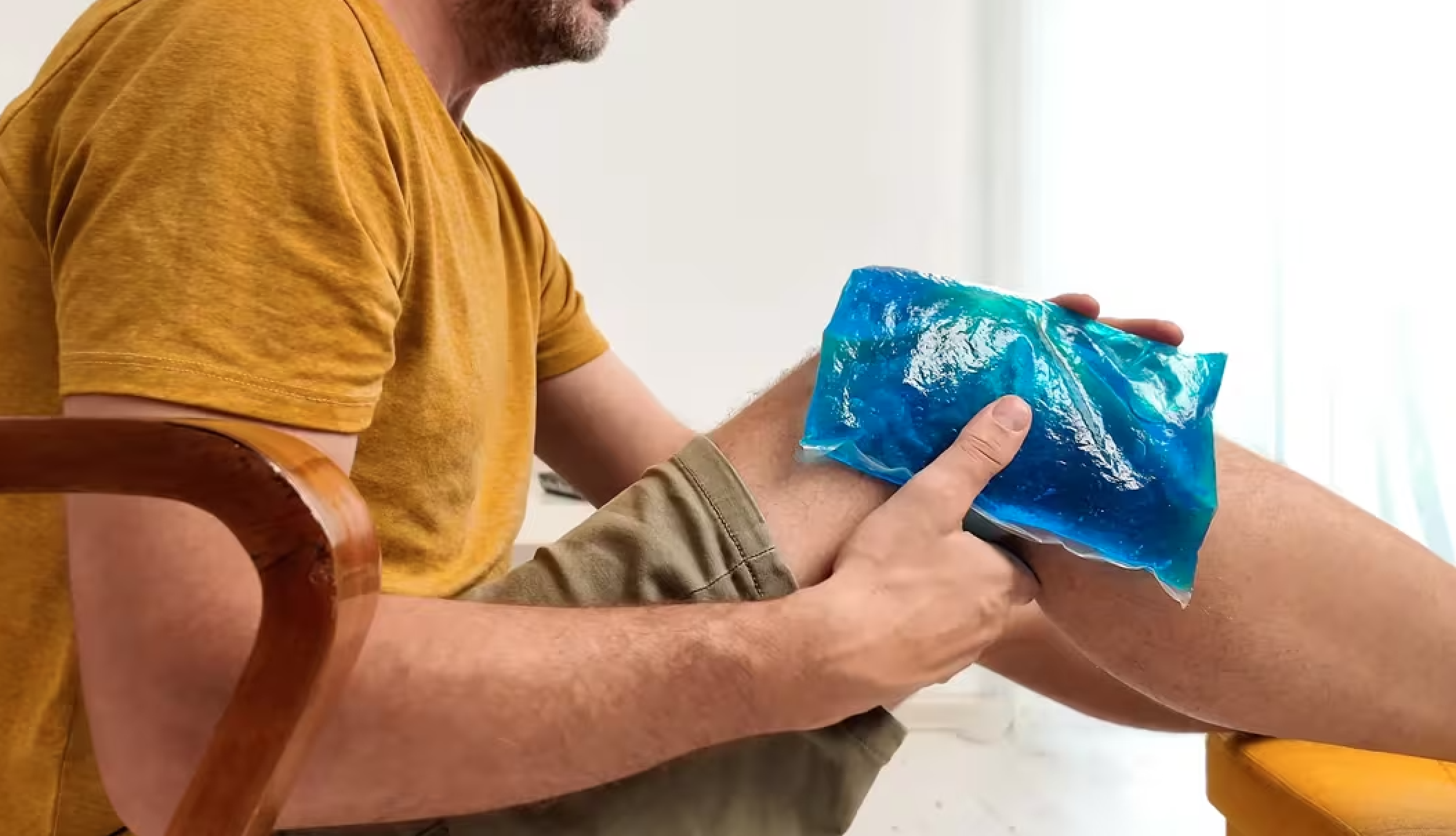
Ice is most effective in the early stages of an injury, typically within the first 24-48 hours of injury.
Use ice if you have:
Swelling or inflammation.
Redness or warmth around a joint or muscle.
Sharp throbbing pain.
Why it works; the cold reduces blood flow to the area which helps limit swelling and reduce pain.
Common examples of when ice is the better option:
Ankle sprain after playing sport.
Muscle strain from a sudden movement.
Post exercise flare up.
Acute tendon irritation.
HOW TO APPLY:
Use for 15-20 minutes at a time.
Avoid direct skin contact, always wrap the ice in a cloth.
When to use Heat
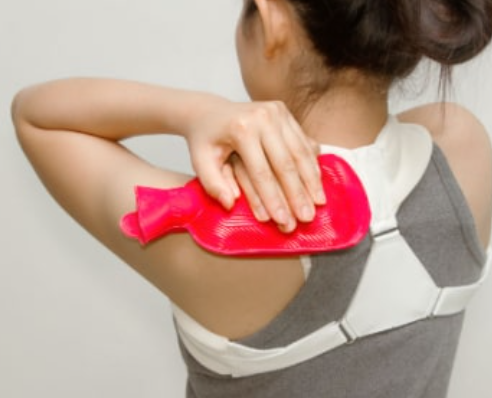
Heat is better suited for ongoing or persistent issues, especially when stiffness is the main problem.
Use heat if you have:
Tight or stiff muscles
Persistent aches and pains
Reduced Mobility
Muscle Spasms
Why it works; heat increases blood flow, relaxes muscles and improves flexibility.
Common examples of when heat is the better option:
Lower back stiffness.
Neck tightness.
Joint stiffness.
HOW TO APPLY:
Use for 15-20 minutes at a time.
Avoid direct skin contact, want it be warm not hot; avoid burns.
When NOT to use Heat or Ice
AVOID heat if;
The area is swollen or inflamed.
The injury is recent (24-48 hours).
There is redness or heat in the tissue already.
Be cautious with ice if;
You have poor blood circulation.
You experience numbness in your hands/feet easily.
You are applying it for too long.
Can you use both?
Yes! Contrast therapy is regularly recommended. A typical protocol involves 10-20 minute session alternating every 2 minutes between hot and cold.
Key Benefits:
Enhanced recovery; reducing muscle soreness and accelerating healing after exercise.
Improved circulation and reduced inflammation.
Reduced pain and stiffness.
Final Thoughts
Using heat or ice correctly can make a really good difference in the speed of your recovery and how comfortable you feel day to day. If you are unsure what is appropriate for your injury, it always best to get professional advice. What works for one person may not be right for another.
If pain persists beyond a few days, worsens or limits your movement, get in touch with our physiotherapy team. We are here to help you recover safely and effectively.
