

Why Your X-Ray Doesn’t Always Explain Your Pain
If you’ve ever had an X-ray or MRI and been told you have “degeneration,” “disc bulges,” or “wear and tear,” it’s completely normal to feel worried. Those words sound serious.
But here’s the surprising truth:
What shows up on a scan often has very little to do with the pain you feel.
This isn’t just our opinion — it’s what decades of research consistently shows.
The Big Study Everyone Should Know About
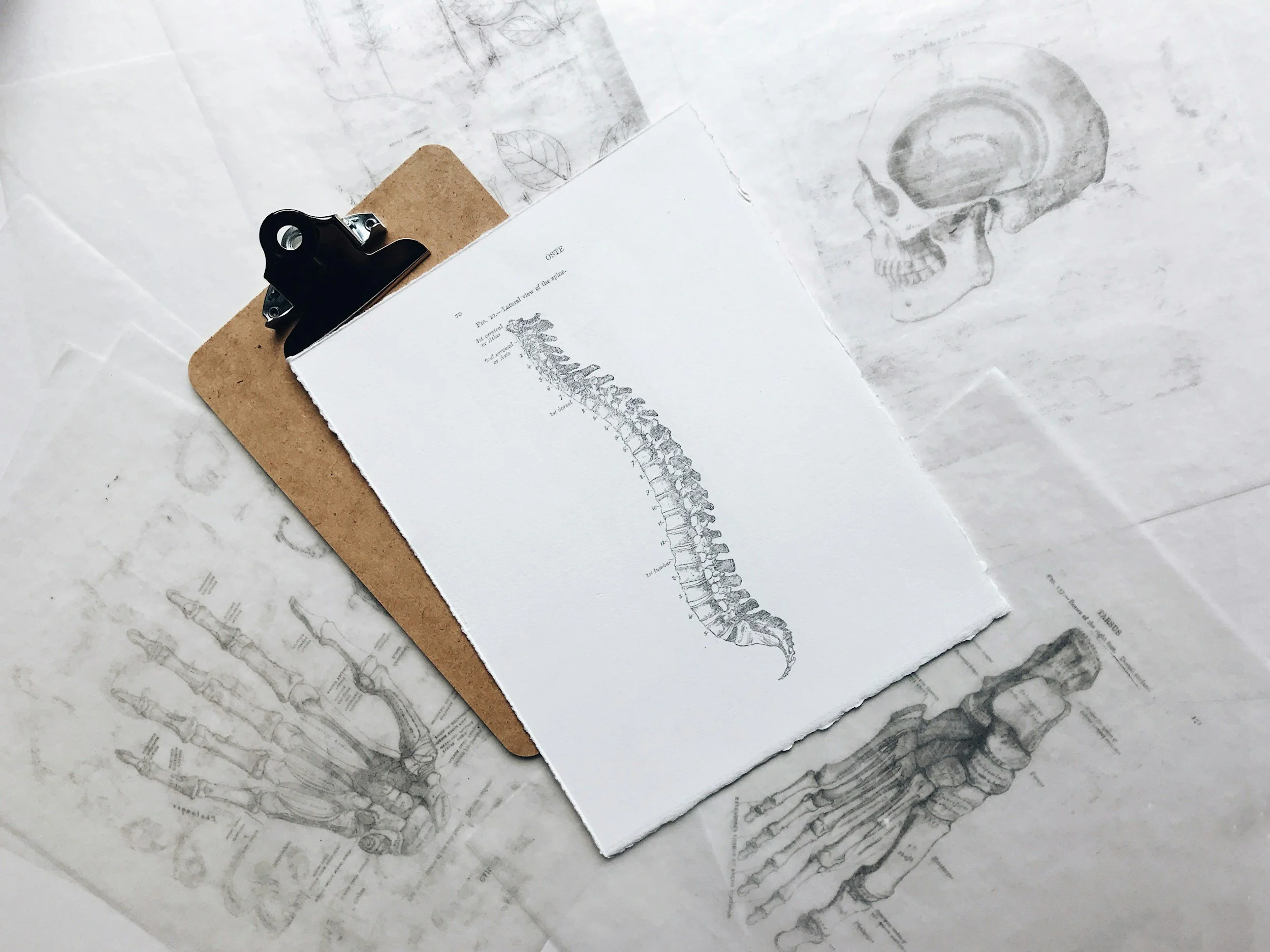
Scientists looked at scans of thousands of people who had no back pain at all.
What they found was eye-opening:
37% of 20-year-olds already had disc degeneration
96% of 80-year-olds had disc degeneration
Disc bulges were also extremely common — 30% of 20-year-olds and 84% of 80-year-olds
So if your scan shows “degeneration,” there’s a good chance it’s simply normal age-related change — think of them like wrinkles on the inside — not a sign of serious damage.
Important Things to Know About Pain and Imaging
1) Pain Often Comes From Sensitivity, Not Damage
This is one of the most helpful concepts for patients. Pain doesn’t always mean something is “broken.” Sometimes tissues or nerves become extra sensitive due to:
● Stress
● Poor sleep
● Increased load (lifting more, moving differently)
● Lack of movement
● Past experiences
● Worry or fear
Just like a bruise can be tender without being serious, your muscles or joints can become sensitive without any dangerous structural problem.
This is a big reason why a painful back or knee doesn’t always match what the scan shows.
2) Movement Is Medicine — And Very Safe
When people get scary-sounding scan results, they often start to move less. But research shows the opposite is usually more helpful:
● Movement improves blood flow and reduces stiffness
● It calms the nervous system and reduces sensitivity
● It builds strength and resilience
● It helps joints handle everyday loads better
● People who stay active recover faster
And here’s the key:
Most back, neck, or joint pain improves with gentle, gradual movement — even if your scan shows “degeneration” or “arthritis.”
A Quick Note on Language: Words Matter
Sometimes the way imaging results are written can unintentionally make people feel worse.
Terms like:
● “Wear and tear”
● “Bone-on-bone”
● “Degeneration”
● “Slipped disc”
● “Collapsed joint space”
Sound frightening. But they rarely describe what’s actually happening or how someone feels.
At Peak Performance Clinic, we use clearer, more helpful language:
● “Age-related changes”
● “Disc hydration changes”
● “Irritated joint”
● “Sensitive tissues”
● “Normal imaging variations”
Because when people understand what’s really going on, they move better, feel better, and recover faster.
A Helpful Analogy: “Wrinkles on the Inside”
One of the simplest ways to think about it:
Age-related changes on scans are like wrinkles or grey hair — normal features of getting older.
They happen to everyone. Many people with lots of “wrinkles on the inside” have no pain at all. And some people with very clean-looking scans still hurt.
This is why your symptoms — not the picture — guide your treatment.
What We Do at Peak Performance Clinic
1) We Treat the Person, Not the Picture

Your story and physical exam tell us far more than a scan can.
We look for things we can change; Strength and mobility, Movement patterns, Activity tolerance, Areas of sensitivity, Lifestyle factors that influence pain and Goals (sport, work, daily life).
These are the things that matter most for getting you better.
2) We Can Explain Scan Results in a Clear, Reassuring Way
If you’ve already had imaging, we can walk you through it in simple terms:
“These findings are extremely common for your age. Many people with the same changes have no pain at all. What we found in your physical exam is what’s actually driving your discomfort — and what we’ll focus your treatment on.”
No fear. No overwhelm. Just clarity.
3) We Use What Works
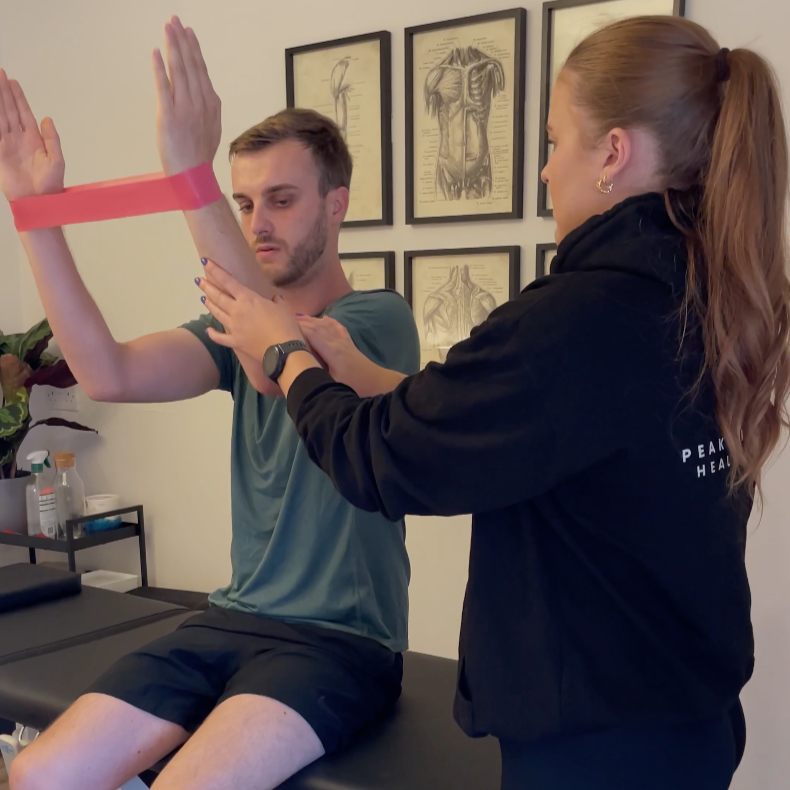
The core treatments that consistently help people recover:
● Targeted exercise and gradual strengthening (the #1 recommended treatment)
● Education and reassurance
● Manual therapy to reduce short-term discomfort
● Activity modification, not avoidance
● A personalised plan that builds confidence in movement
This approach works regardless of what the scan says.
4) We Only Recommend Imaging When It Matters

If there are red flags, unusual symptoms, or a recovery that isn’t following the expected path, imaging may be appropriate.
Otherwise — if it won’t change the treatment — a scan usually isn’t needed.
The Bottom Line
● Imaging often shows normal, age-related changes — not the cause of pain.
● Pain is more about sensitivity and function, not “damage.”
● Movement is safe — and one of the best tools for recovery.
● How you move, how strong you feel, and what you want to get back to matter far more than what a picture shows.
● The right physiotherapy plan, built around your assessment and your goals, is what helps you get better.
If Your Scan Has Worried You, We’re Here to Help

If you’ve been told you have “degeneration,” “disc bulges,” or “changes” on your scan — or if you’ve felt scared to move because of what you’ve read or heard — you’re not alone.
Many people are given information that sounds alarming but doesn’t actually reflect what’s happening in their body.
A physiotherapy consultation can help you make sense of your symptoms, understand what your scan really means, and most importantly, guide you back to confident, comfortable movement.
At Peak Performance Clinic, we’ll listen to your story, assess how you move, explain things clearly, and build a personalised plan to help you feel better and get back to what you love.
If you’re feeling unsure, worried, or stuck — book an appointment, and let’s get you moving again.